The Feds Just Rewrote 50 Years of OHV Rules — Here's What Actually Changes
A new executive order rescinds the Nixon- and Carter-era rules that have shaped off-road access for half a century. It's not an instant trail unlock — here's what it really does.
Big one for anybody who rides public land: on May 29 President Trump signed an executive order titled "Removing Unnecessary and Counterproductive Restrictions on Access to Federal Lands," rescinding Executive Order 11644 (Nixon, 1972) and Executive Order 11989 (Carter, 1977) — the two orders that have governed how the Forest Service, BLM, and other federal agencies manage off-road vehicle use for the last five decades. That's the regulatory backbone behind a lot of the travel-management plans that decide which roads and trails you're legally allowed to ride (White House fact sheet).
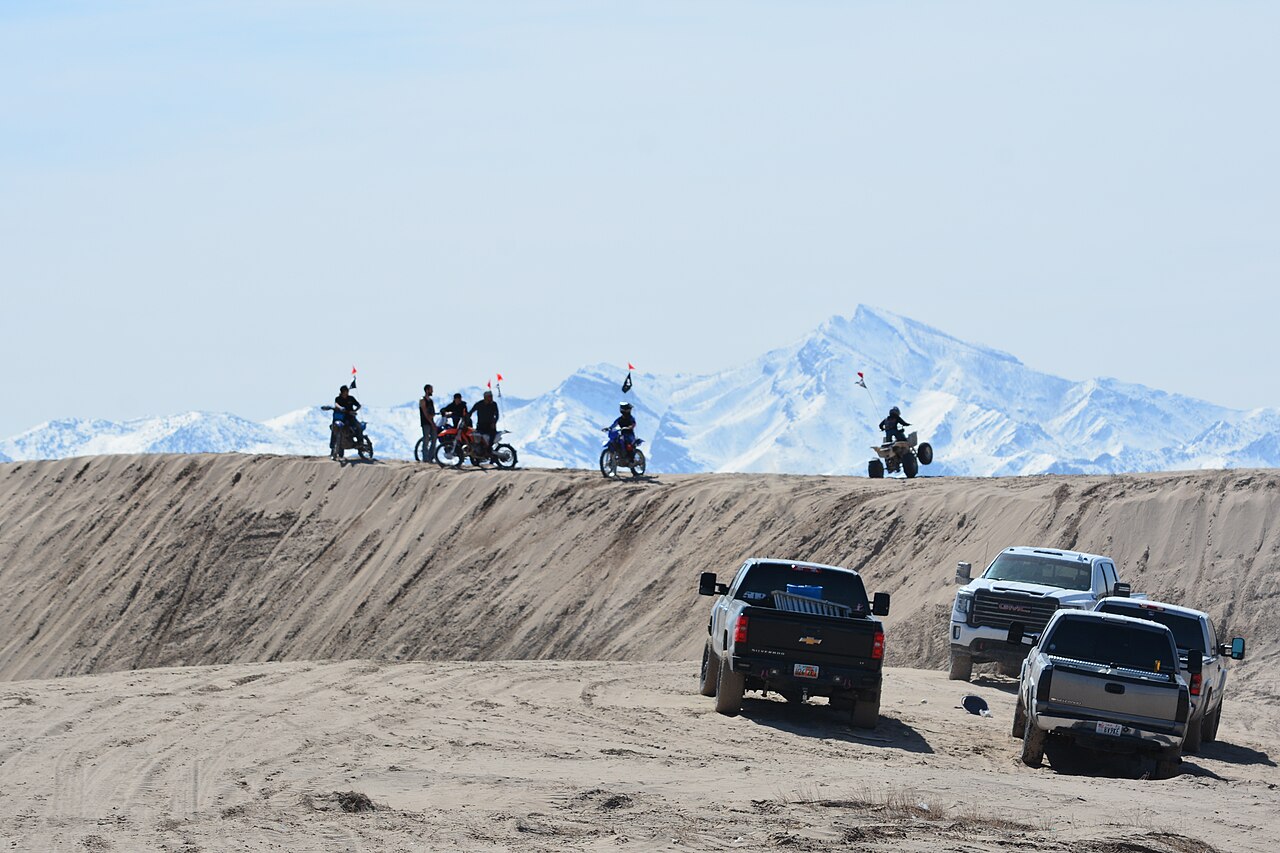
.jpg)
Here's the part worth actually understanding before you get excited or worried: this order doesn't flip a switch and reopen a single trail. Existing travel plans, wilderness boundaries, national park rules, and route-specific closures all stay in effect on day one. What it does is direct federal agencies to go back and rewrite the regulations that were built on top of the old Nixon/Carter framework — rules that leaned on vague standards like "minimizing conflicts" and avoiding "adverse effects on aesthetic values" that were genuinely hard for land managers to apply consistently (GearJunkie's breakdown). So the real changes show up over the next year or two, as individual forests and BLM field offices redo their travel-management plans under new guidance — not this weekend.
Reaction has split about how you'd expect. Off-road advocacy groups are calling it the biggest access opportunity in a generation, a real shot at revisiting closures that got locked in decades ago under criteria nobody could clearly define. Hunting and conservation groups are pushing back hard, warning that loosening the framework invites overcrowding, habitat disruption, and conflict with foot and horse traffic on multi-use trails. Both sides agree on one thing: this is going to play out forest by forest, BLM district by BLM district, over a long stretch of public comment periods and revised environmental reviews. If you ride a specific system regularly, this is the moment to actually show up for those comment periods instead of assuming it'll sort itself out.
While that fight plays out at the regulatory level, there's a smaller, more immediate story showing what good-faith access investment looks like on the ground. On July 1, Polaris and the Foundation for America's Public Lands — the BLM's official charitable partner — announced a new grant program aimed squarely at OHV recreation access and safety. Polaris is putting up $350,000, matched dollar-for-dollar by the Foundation, for more than $700,000 in total impact across BLM lands. Utah's share alone tops $200,000, funding signage overhauls, parking and staging-area repairs, and trail-system maintenance at spots like Fivemile Pass, Cricket Mountains, and the Tusher Tunnel / Uranium Arch / Bartlett Alcove cluster near Moab (Polaris newsroom). The program kicked off in June at Moon Rocks in northern Nevada. It's a manufacturer putting real money behind the boring, unglamorous stuff — signage, restrooms, staging areas — that's what actually keeps a system open and off the chopping block when access fights heat up.
Put those two stories together and the takeaway for riders is simple: the policy fight over the next couple years is going to decide what's technically legal, but the day-to-day reality of whether a trail stays rideable comes down to maintenance, signage, and riders not trashing the areas everyone's fighting to keep open. That's not out of your hands.
It's also exactly why we built the hazard-report and ride-tracking side of BraapTrax the way we did. Every ride you log and every hazard you flag builds a real picture of which systems are actually getting used and what condition they're in — the kind of data that backs up an access argument a lot better than an opinion does. Log your rides, flag what you find out there, and keep riding.
Sources: White House fact sheet, GearJunkie, Polaris newsroom.
Track every ride
GPS ride tracking, crew features, and season-long stats — built for dirt bikers who ride hard and want receipts.