7 Things to Check Before a Backcountry Dirt Bike Ride
A pre-ride checklist for remote trails — the gear, the bike, and the plan that keep a good day from turning into a rescue.
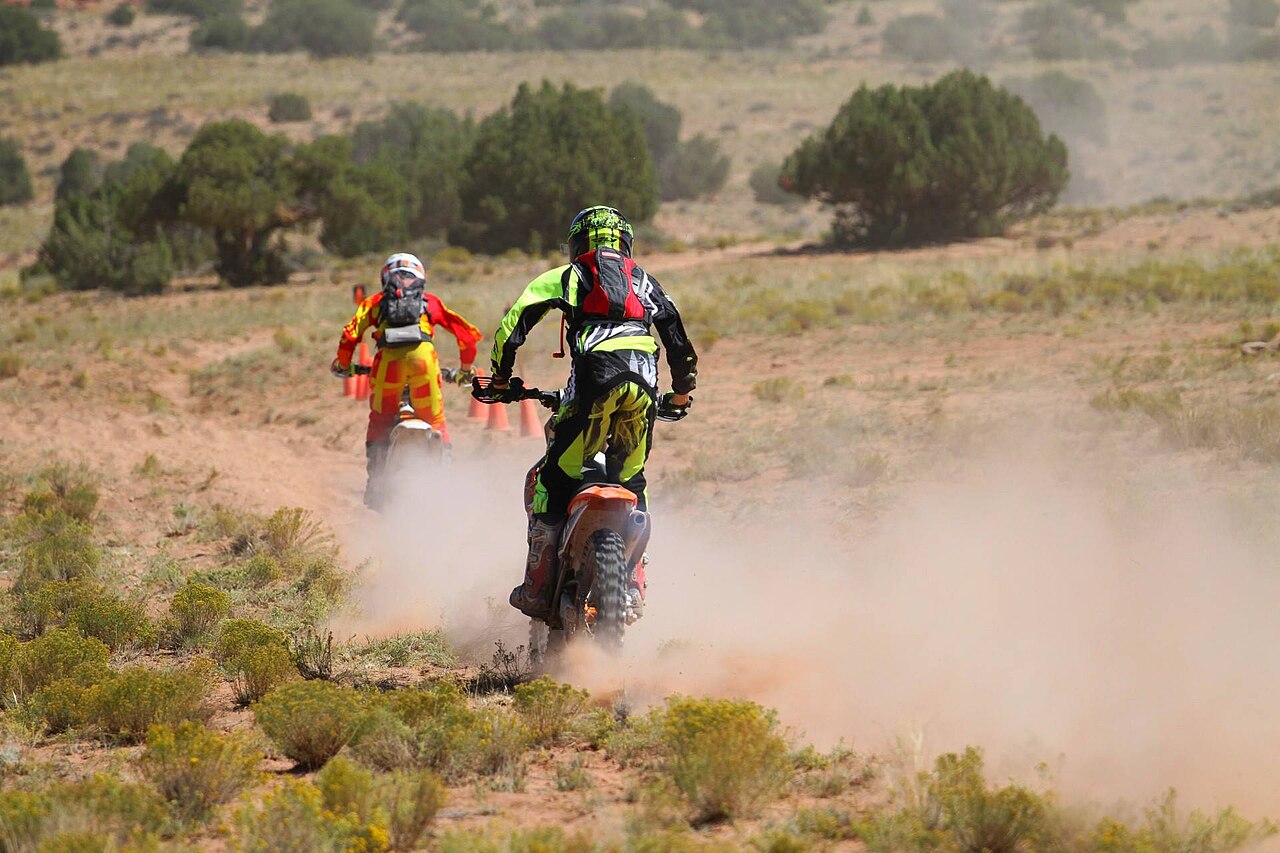
The best rides are the ones deep off the pavement — the passes, the drainages, the routes where you don't see another rider for hours. That's also exactly where a small oversight turns into a long, cold walk. A few minutes in the garage and the trailhead is cheap insurance. Here's the checklist we run before heading out.
.jpg)
1. Fuel range, honestly
Know your bike's real range on the terrain you're riding, not the number from a flat highway. Technical trails, elevation, and low gears burn fuel fast. Map the loop, add a margin, and carry extra if the math is close. Running dry 15 miles from the truck is the classic backcountry mistake.
2. Tires, pressure, and a plan for flats
Check tread and sidewalls, set pressure for the terrain, and — this is the one people skip — actually carry what you'd need to fix a flat: a tube or plug kit, a pump or CO2, and the tire irons that fit your setup. Then make sure you've done it at least once at home, not for the first time on a hillside.
3. Brakes and controls
Squeeze the levers. Check pad life, lever feel, and that nothing's loose. Backcountry descents are long and steep, and fade or a soft lever is a bad surprise at the top of a 2,000-foot drop.
4. Chain, sprockets, and fasteners
A quick chain tension and lube check, plus a walk-around for loose bolts, catches the failures that strand you. Vibration works fasteners loose over a season — the skid plate bolt, the subframe, the pipe.
5. Water and calories
More than you think you need for both. Dehydration wrecks your judgment before it wrecks your body, and that's when mistakes happen. If it's hot or high, double it.
6. Tell someone the plan
Leave a real plan with someone not on the ride: where you're parking, the loop you intend to run, and when to worry. In a lot of backcountry there's no cell signal — a person who knows where to send help is your actual safety net.
7. Log the ride
Track it. A recorded GPS track means you can retrace your exact line if a trail dead-ends or weather rolls in, you've got real distance and elevation for the day, and — if it ever comes to it — a trail of where you've been. It's also just satisfying to see the season add up.
None of this takes long, and most of it becomes muscle memory after a few rides. The goal isn't to make the backcountry feel risky — it's to earn the freedom to ride it without a second thought.
BraapTrax handles the last one for you: GPS ride tracking, distance and elevation stats, and hazard reports from other riders so you know what's on the trail before you get there. Ride hard — keep the receipts.
Track every ride
GPS ride tracking, crew features, and season-long stats — built for dirt bikers who ride hard and want receipts.